
9th Çanakkale Biennial
MAHAL 2024
Credit: Saygın Mavinil
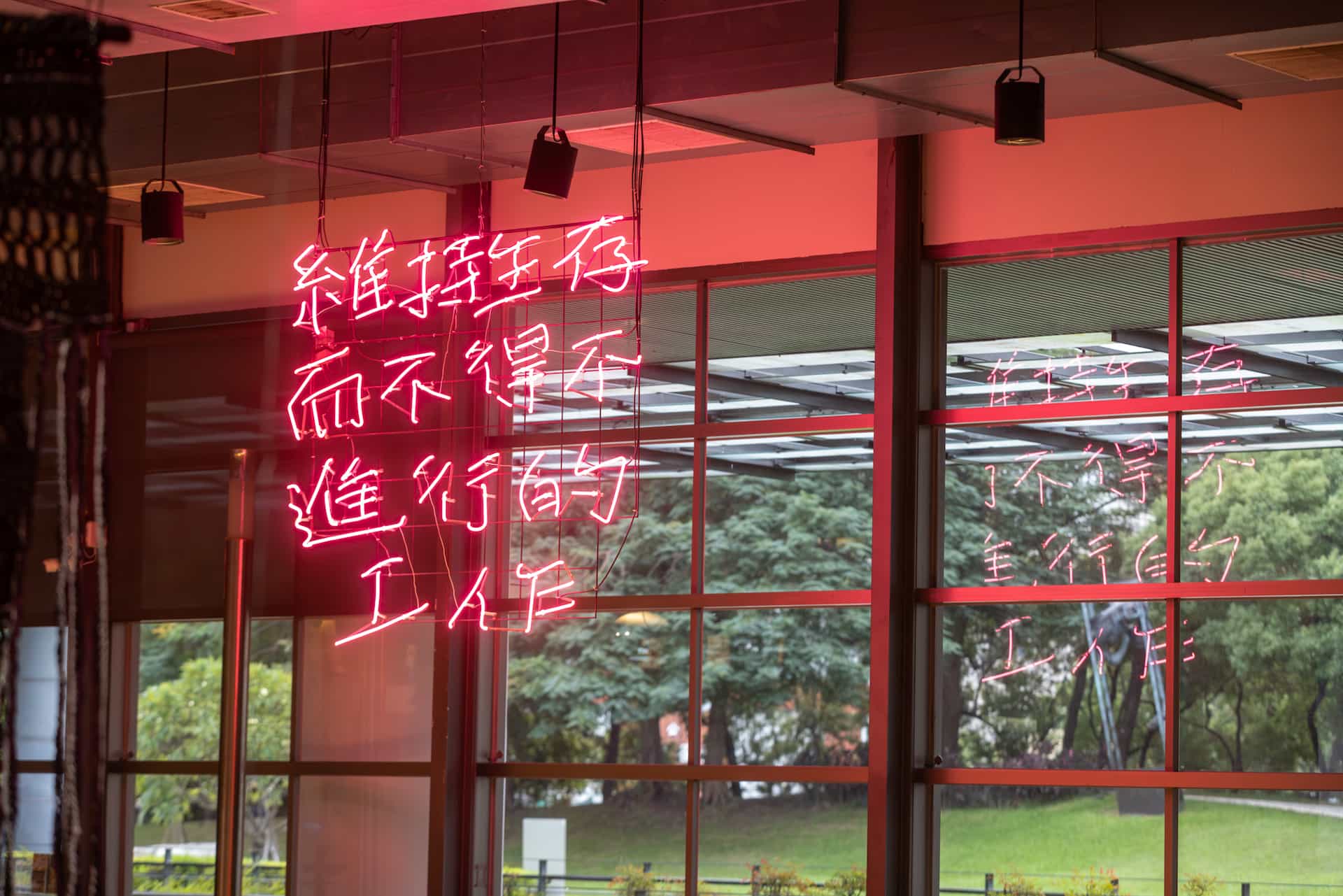
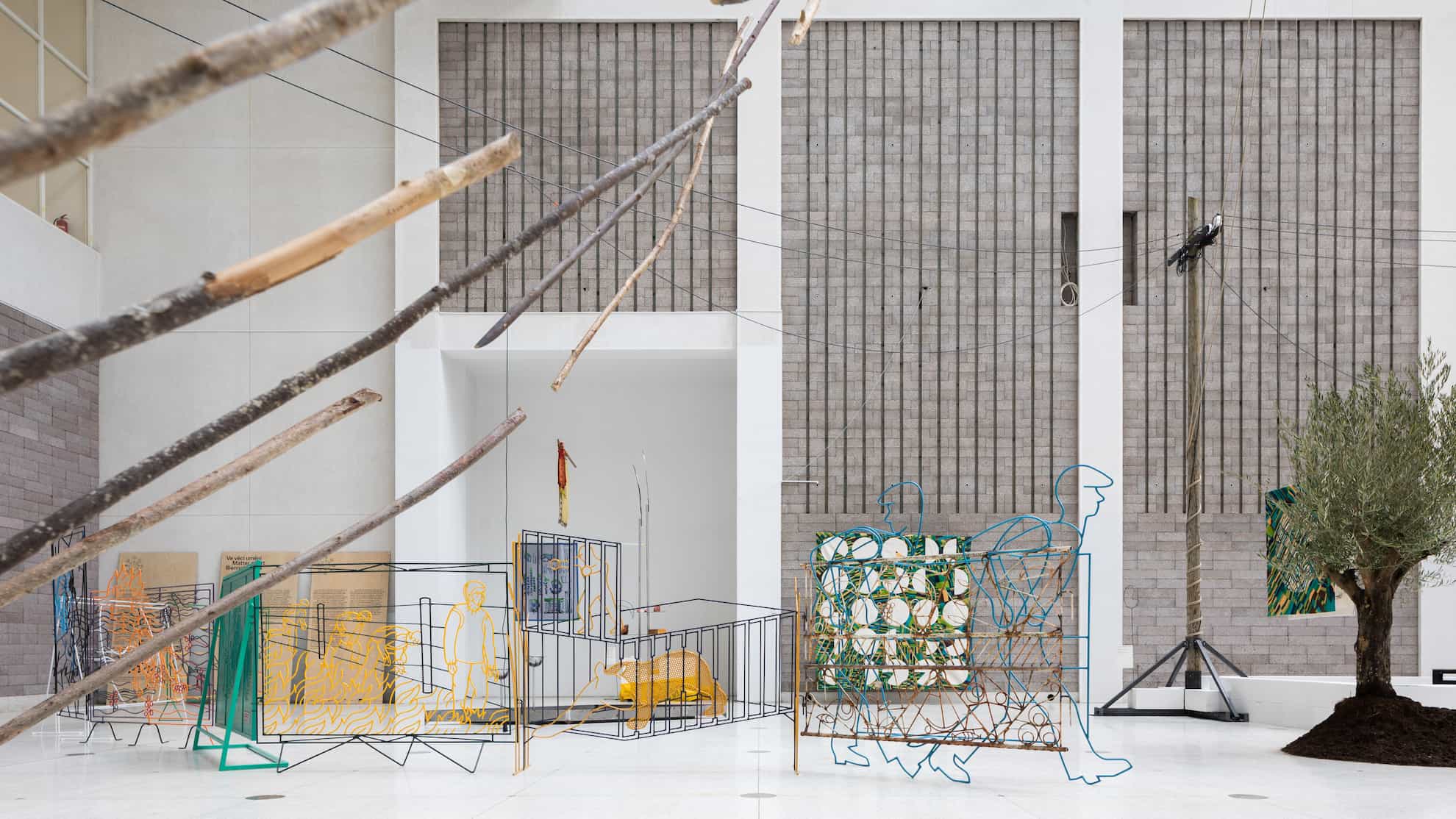
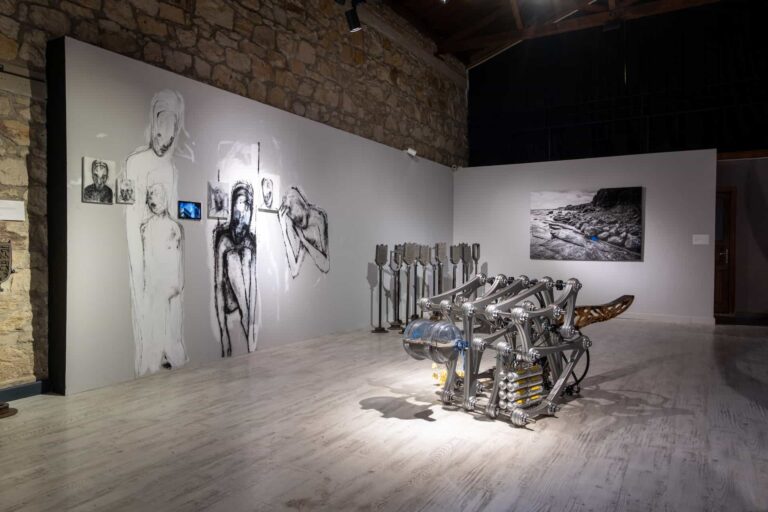
The 9th Çanakkale Biennial, that took place this year from October 4 to November 11, under the title “Let Time Run its Course”, spanned in 13 different venues and featured over 50 artists, prioritizing inclusivity, interaction, and dialogue with a rich program. Since 2008, the Çanakkale Biennial, organized by CABININ – the Çanakkale Biennial Initiative, has brought different communities together around contemporary art in Çanakkale.
The artists featured in its 9th edition include: Ahmet Yiğider, Akın Güreş, Alper Aydın, Ani Çelik Arevyan, Ataman Girişken, ATI SUFFIX, Ayşen Urfalıoğlu, Aytuğ Aykut, Berkin Gülten, Berkin Günsay, Bilal Yılmaz, Cem Sonel, Damla Sari, David Blandy, Deniz Kulaksızoğlu & Can Yıldırım, Ecem Dilan Köse, Eda Sütunç, Edith Roux, Erdal Duman, Eric Magassa, Esra Carus, Fatih Kızılcan, Fırat Engin, Füreya Koral, Gönül Nuhoğlu, Güçlü Polat, Hakan Yılmaz, Halit Demirel, Jane Jin Kaisen, Johannes Vogl, Jun’ichiro Ishii, Kaan Tanhan, Kerem Meriç, Madlen Hirtentreu, Murat Cem Baytok, Mustafa Akkaya, Nejat Birecik, Ömür Tokgöz, Rabia Seyhan, Serhat Kiraz & Hakan Gündüz, Seyhun Topuz, Süleyman Yılmaz, Tunç Ali Çam, Vasilis Alexandrou, Vince Briffa, Volkan Babaotu, Yabancı, Yunus Aras.
The 9th Çanakkale Biennial, organized under the General Artistic Direction of Seyhan Boztepe, Founder of CABININ, features artists and exhibition projects shaped by suggestions from a committee that includes Alper Akyüz, Burak Topçakıl, Deniz Erbaş, Didem Çapa, Ebru Nalan Sülün, Hakan Yılmaz, Rüstem Aslan, Thouli Misirloglou, Ulrika Flink, and Zihni Tümer, bringing a renewed artistic focus to Çanakkale.
9th Çanakkale Biennial, with DARDANEL as its main supporter, functioned as an experiential platform consisting of a series of culture and arts events and projects shaped through collaborations, spread across a calendar that extends before, during, and after the six weeks of main exhibitions. This extensive content spread to historical and cultural venues in the city center, the Troy Museum and its surroundings, and, for the first time in the Biennial’s history, to art and cultural structures in areas such as Assos and Küçükkuyu.