
Biennale Matter of Art 2024
Grafting Solidarities – From the Factories to the Fields
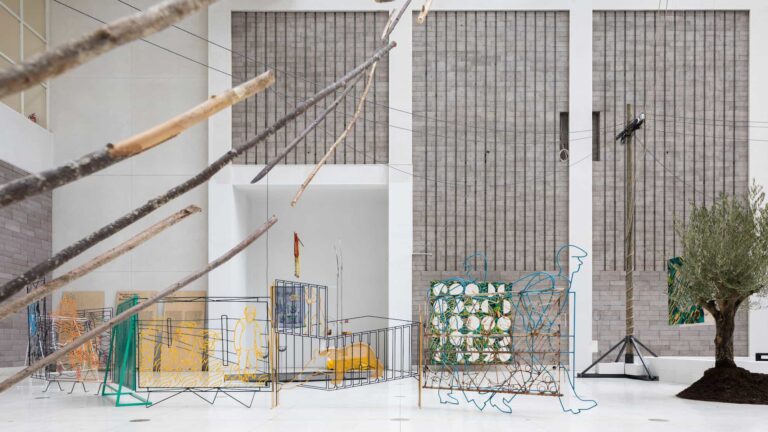
Image Credit: Jonáš Verešpej
In the third edition of Matter of Art, we want to tell stories of social change from two different, yet interconnected perspectives: the working-class and the rural. We focus on our experience as workers at different workplaces: from the factories to the fields, from logistics hubs to home offices.
Many people are not satisfied with their conditions of work. There are many ways to resist and create change. People interrupt work, they protest, they make demands. Some protests are very visible and loud, some gestures are more invisible, but not less important. With the Biennale, we want to tell stories of change that are also stories of resistance and resilience. We want to learn from each other: from the different places we live in and the different types of work that we do, across rural regions and urban centers. How can we live a better life without exploitation, exhaustion and injustice? How do we remember different histories of unrest and struggles for change?
We are interested in changes happening in the countryside, because we see rural change as an important part of social change at large. Rural areas provide for our basic needs, from food to diverse resources and raw materials. This makes rural and urban lives deeply entangled, we depend on one another. Yet it seems that the voices of people from rural areas are often missing from public discourse. Their challenges and problems are rarely the focus of attention. With the Biennale, we want to amplify this “quiet history” of the countryside, to talk about its current struggles and visions for the future.
Inspired by the technique of grafting, we ask ourselves how we can graft solidarities across the rural-urban divide, from the factories to the fields? Instead of letting our differences separate us, how can we create new alliances and grow stronger together? This is exactly what grafting does. It is a technique used in agriculture and medicine to join different plant parts, animal and human tissue, so that they can grow together and become stronger. It shows us the possibility for transformation in surprising and unexpected ways, not restricted to fixed identities. We can initiate grafting, but we cannot control whether it succeeds or fails. We believe that we also need to acknowledge failure as part of our struggles for change.