
IBA Academy | Biennials and Memory – 1st Session: Learning
April 9th 2026 – 4:00 pm (CET/GMT+1)
Online (Zoom)
The first session of Biennials and Memory: Expanding on Archival Practices opens the programme with a broader reflection on the conditions under which knowledge, history, and archives are produced within biennial contexts.
Taking as its point of departure an ontological exploration of these questions, the session considers how biennials, despite their inherently temporary, shifting, and often discontinuous structures, participate in the construction of historical narratives. It addresses the ways in which archival practices shape what is preserved, transmitted, or lost, while also examining the institutional frameworks that enable (or limit) the formation and sustainability of such archives.
Conceived as an introductory moment within the module, the session brings into dialogue archivists with practitioners and researchers who have worked extensively with archival sites across a range of institutions within museums, universities, or biennials.
Prof. Francesca Zanella will open the session with a lecture offering an overview of current discourses around biennial archival practices, while raising key critical questions on the archiving of contemporary art exhibitions.
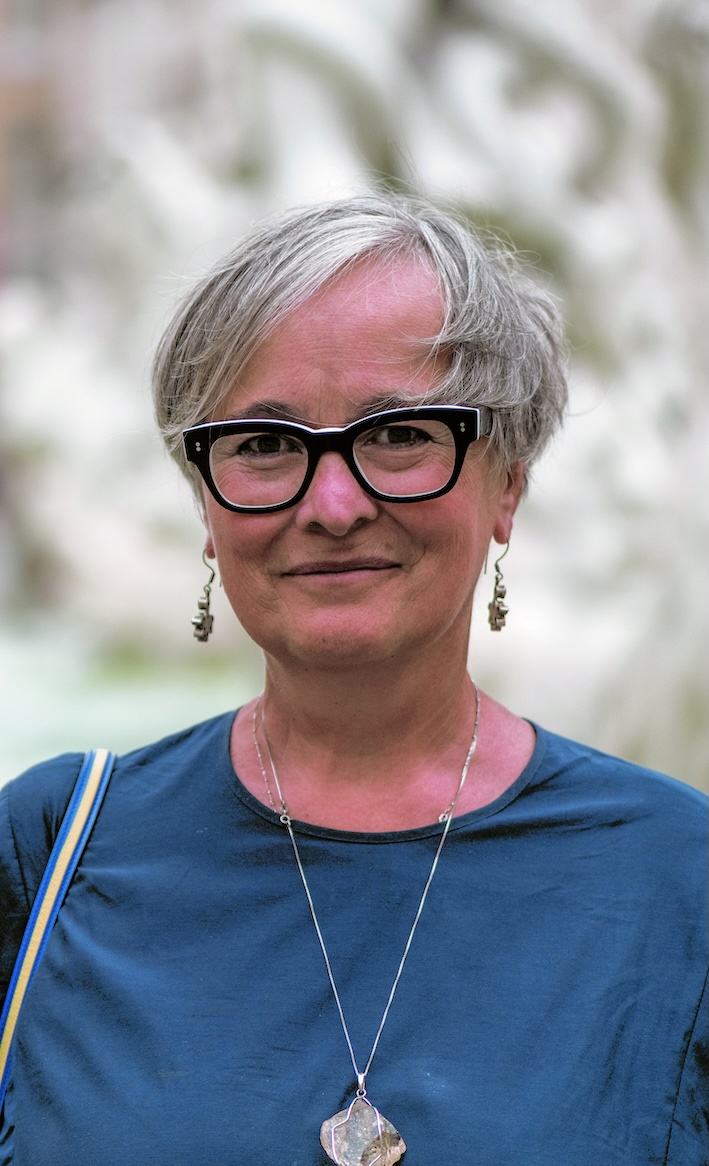
Prof. Francesca Zanella
Francesca Zanella, contemporary art historian, is associate professor at the Università di Modena e Reggio. She is also member of the CSAC Scientific Committee at the Università degli Studi di Parma, an institution that she directed between 2015 and 2020 and a member of the Scientific Committee of MoRE Museum of Unrealised Projects. She is also part of the research center on Digital Humanities (DHMoRe) in Modena and Reggio Emilia as well as the Bites research group at IUAV in Vencie.
Her main research fields are history of Italian architecture and design, exhibition history, and archives of contemporary art. Archival practice is something she has developed both as academic research with publications such as “Archivi Esposti” written with M. Maiorino and M.G. Mancini (Quodlibet, 2022) but also through the coordination and supervision of projects of digitalization and enhancement programs for various archives. She has curated numerous exhibitions and catalogues among which Ettore Sottsass. Oltre il design (2017-18), Design! oggetti processi esperienze (2020-21), and Andrea Branzi. Racconti di design (2023).
Guilherme Vieira, Head of the Arquivo Histórico Wanda Svevo at Fundação Bienal de São Paulo, will reflect on the history of the archive while addressing key questions concerning the present and future of archival practices.
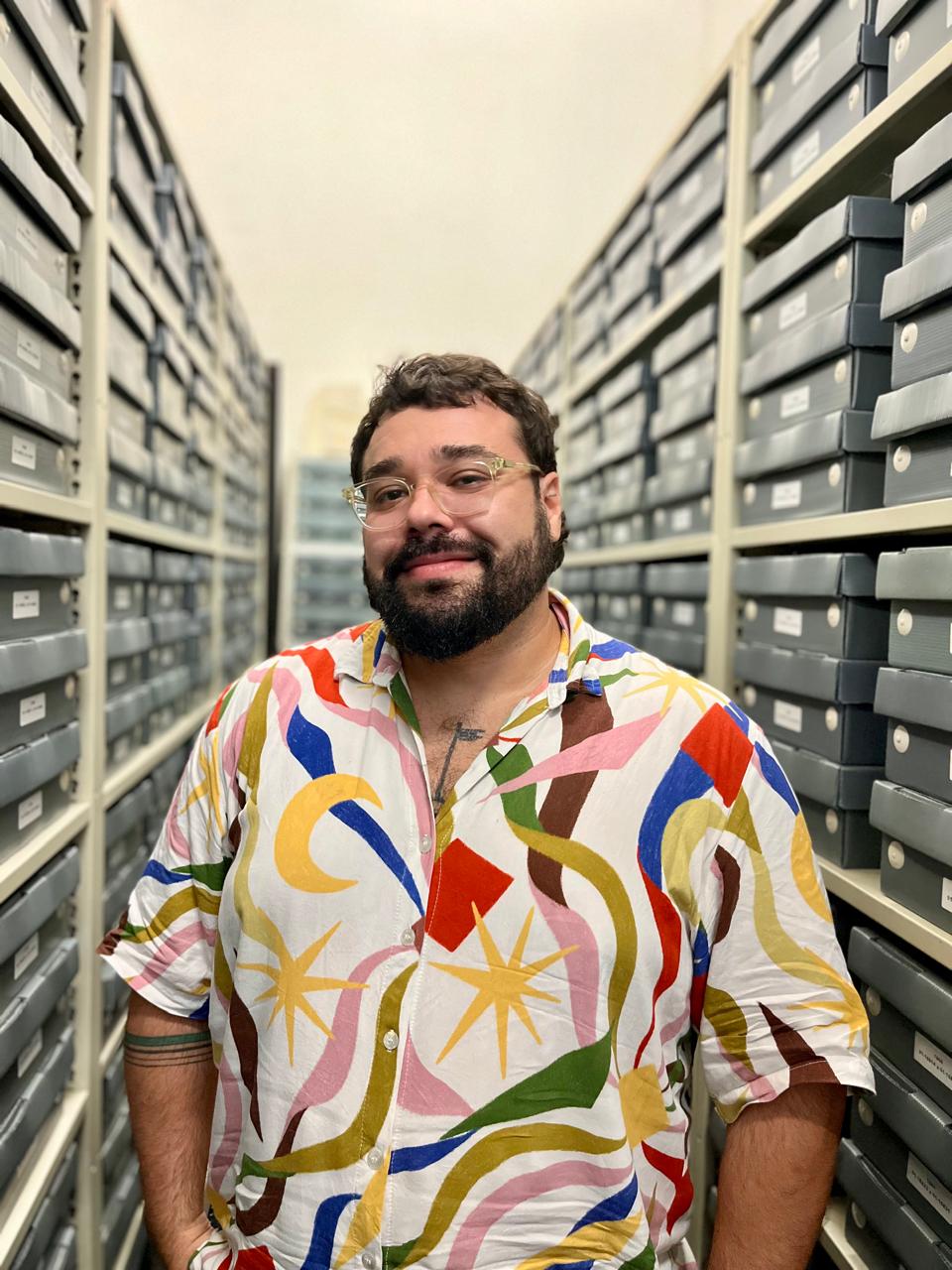
Guilherme Vieira – head of the bienal archive Fundação Bienal de São Paulo
Guilherme Vieira is a historian and PhD candidate in Information Science at the University of São Paulo, with a specialization in Memory and Heritage. He is currently Head of the Arquivo Histórico Wanda Svevo at the Fundação Bienal de São Paulo. His work focuses on collection dissemination and access-to-information strategies in cultural institutions, with experience in database management and migration, as well as in the development of procedures and methodologies for the treatment, preservation, and communication of collections. He is a member of the International Committee for Documentation of the International Council of Museums (ICOM). His professional interests lie at the intersection of archives, museums, digital humanities, and access policies, with particular emphasis on the relationships between memory, technology, cultural dissemination, and the social use of collections.
Gregor Dražil will focus on the history of the archive of the Ljubljana Biennale of Graphic Arts, with particular attention to its early period from the 1950s to the 1980s.
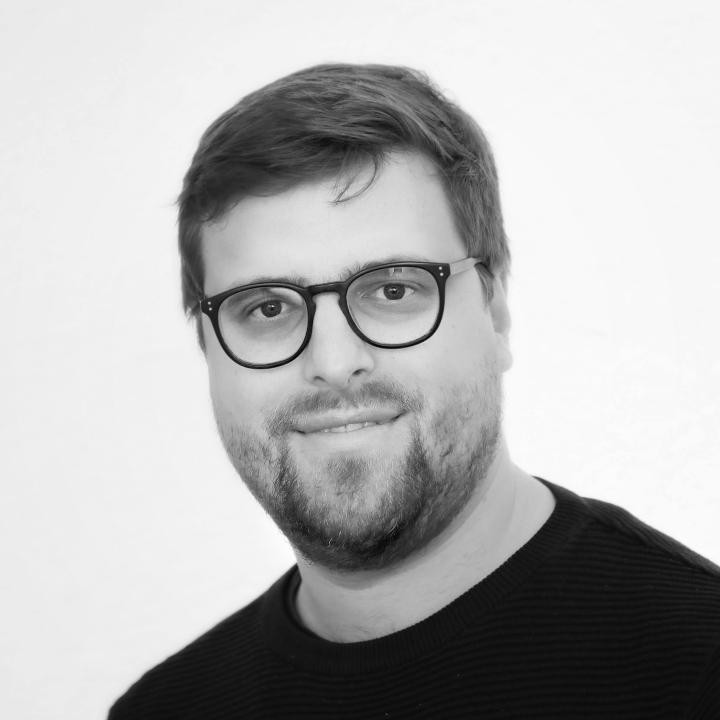
Gregor Dražil – PhD candidate at University of Ljubljana
Gregor Dražil completed his master’s degree in Art History at the University of Ljubljana, Faculty of Arts, and is currently working on his PhD thesis at the same department. He has been employed at the International Centre of Graphic Arts (MGLC) since 2018, and as a part-time researcher at the France Stele Institute of Art History ZRC SAZU since 2023. He is researching the history of Slovenian modern art, with focus on printmaking and mural painting, and the Slovenian art system since 1945. Since 2019, Dražil has co-taught a course in the Art History Department at the Faculty of Arts, University of Ljubljana.
These contributions by our invited speakers offer an important opportunity to look more closely, and with the necessary critical reflection, at a selection of among the most relevant biennial archives and their respective practices. At the same time, they are by no means intended to represent the full scope and diversity of the biennial field. Rather, we see this session as an opening towards a broader discussion, which we look forward to continuing both during this first session and, collectively, in the final roundtable of this module, Exchanging.