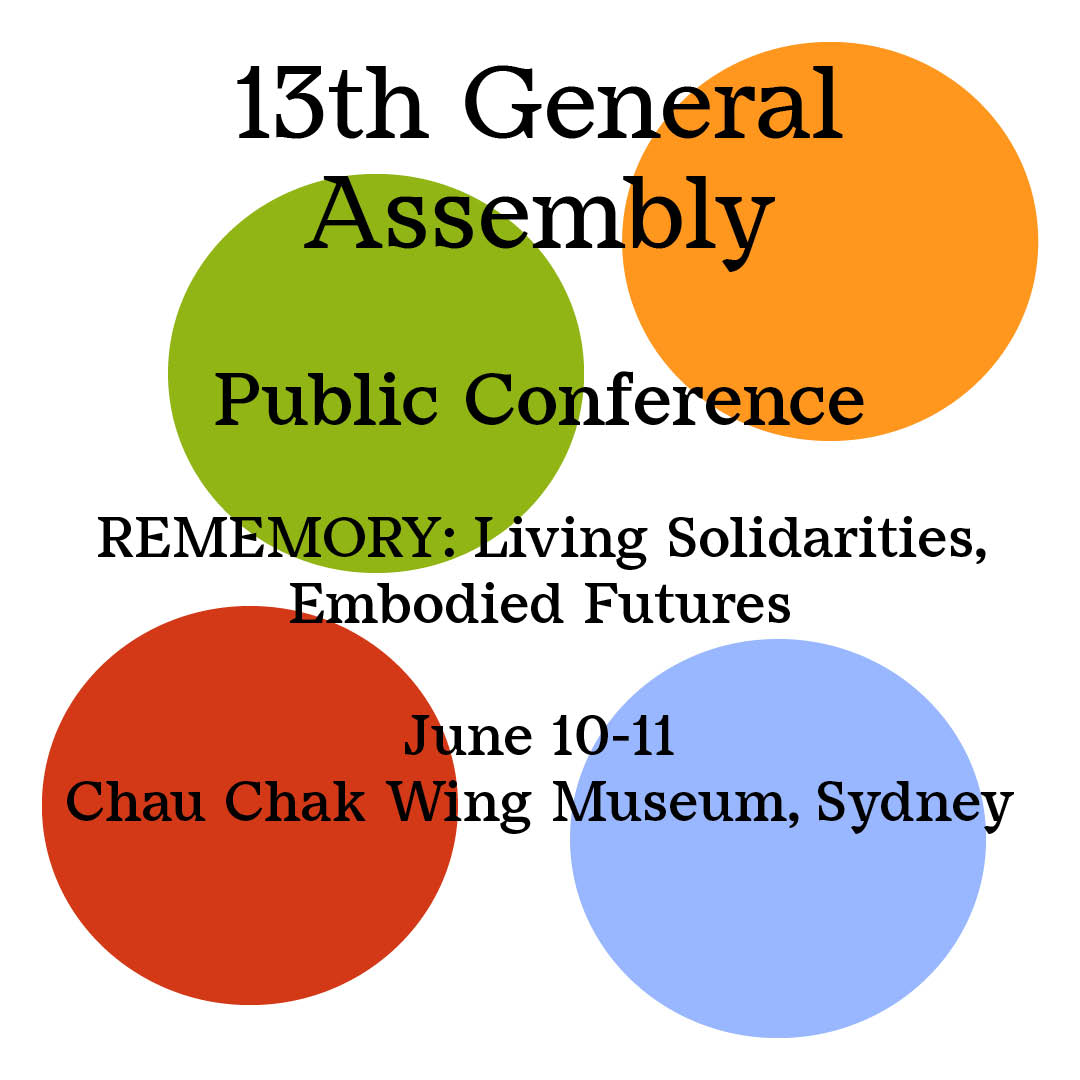
13th General Assembly – Public Conference
REMEMORY: Living Solidarities, Embodied Futures
In partnership with Power Institute (University of Sydney) and Global Study University (Sharjah)
In occasion of our 13th General Assembly we are happy to invite you to the public conference REMEMORY: Living Solidarities, Embodied Futures organised in partnership with the Power Institute and Global Study University. This event aims at bringing biennial professionals from around the world in dialogue with local artists, curators and researchers. In times of polarised political discourses and increased social and economic disparities, embracing the idea of living historically in the present, we believed it necessary to look back at the history of global gatherings, at examples of networks of solidarities and at the role art and culture have played in these to understand our collective presence in Sydney as part of these trajectories. As International Biennial Association we are committed to create moments of dialogue between our members and our host communities, this year’s public conference is a further testimony to the many shapes this dialogue can take.
REMEMORY as a living, active process, as the reassembly of her/histories, bodies, and as re-categorization of relations within the present.
Moving beyond the idea of the past as concluded, it becomes a method for engaging both with the long reach of twentieth-century solidarity movements and networks, and with the urgent ethical and ecological conditions shaping our world today.
The program takes as its point of departure historical formations of transnational exchange – political or cultural gatherings such as Bandung or FESTAC, and artistic platforms such as the early Alexandria Biennale, Ljubljana Biennial of Graphic Arts, or Bienal de la Havana – not as closed episodes, but as unfinished projects. These sites of encounter, translation, and collective imagination are understood as living archives whose echoes continue to inform contemporary practices of solidarity today.
Building on this, the focus shifts toward the present: toward solidarities emerging among First Nations, diasporic, and other marginalised communities, both human and non-human. Here, REMEMORY becomes a tool for survival, continuity, and collective action. Memory is understood as embodied knowledge, carried through land, storytelling, and communal practices, and as a force capable of resisting extractive, colonial, and neoliberal systems.
In this context, the condition described by Giorgio Agamben as bare life offers a critical threshold: a way to understand how certain bodies and communities are positioned outside social and political recognition. Yet the program moves beyond this diagnosis, foregrounding instead the ways in which marginalised knowledges and lived practices transform conditions of abandonment into forms of relation, resistance, and future-making.
REMEMORY thus operates across two intertwined movements: from the unfinished solidarities of the past to the emergent solidarities of the present; from historical echoes to embodied futures. It invites us to consider how histories of gathering can be reactivated as frameworks of storytelling for sustaining life, justice, and collective continuity in times of profound global transformation.
Program of the event
Location: Chau Chak Wing Museum, Sydney
Wednesday June 10th (5 – 6pm)
Welcome address
Keynote – Prof. Ming Tiampo
Rememorying Solidarity Networks for a World in Crisis
—
Thursday June 11th (9am – 4pm)
Panel 1: Globalities (9.30 – 11am)
Speaker – Nav Haq
Respondants: Bruce Johnson McLean, Brett Neilson, Benjamin Work
This session asks: What is the meaning of “global” in the phrase global contemporary art? What networks of relation or transaction does the term denote, and what forms of connection do these networks make possible? Which forms of globalism (and historical solidarity networks), emerging from past experiences, or might offer alternative visions for the present?
Moring Tea Break (11 – 11:15am)
Panel 2: Publics (11:15am – 12:45pm)
Speaker – Reem Fadda
Respondants: Gabriela Golder, Michael Dagostino
This session inquires about contemporary art’s publics. Who are Biennales for, and how is this changing? What kinds of audiences do Biennales find in their local contexts, and what types of audiences can they create? What spaces do they inhabit, and what type of spaces do they bring about?
Lunch Break (12:45 – 14:00pm)
Panel 3: Solidarities (14:00 – 15:30pm)
Speaker – Ryan Inouye
Respondants: Latoya Aroha Rule, Helen Grace
This session inquires about contemporary art’s publics. Who are Biennales for, and how is this changing? What kinds of audiences do Biennales find in their local contexts, and what types of audiences can they create? What spaces do they inhabit, and what type of spaces do they bring about?
Closing Remarks (14:00 – 15:30pm)
Speaker – Prof. Mark Ledbury
Meet the Speakers:
Prof. Ming Tiampo
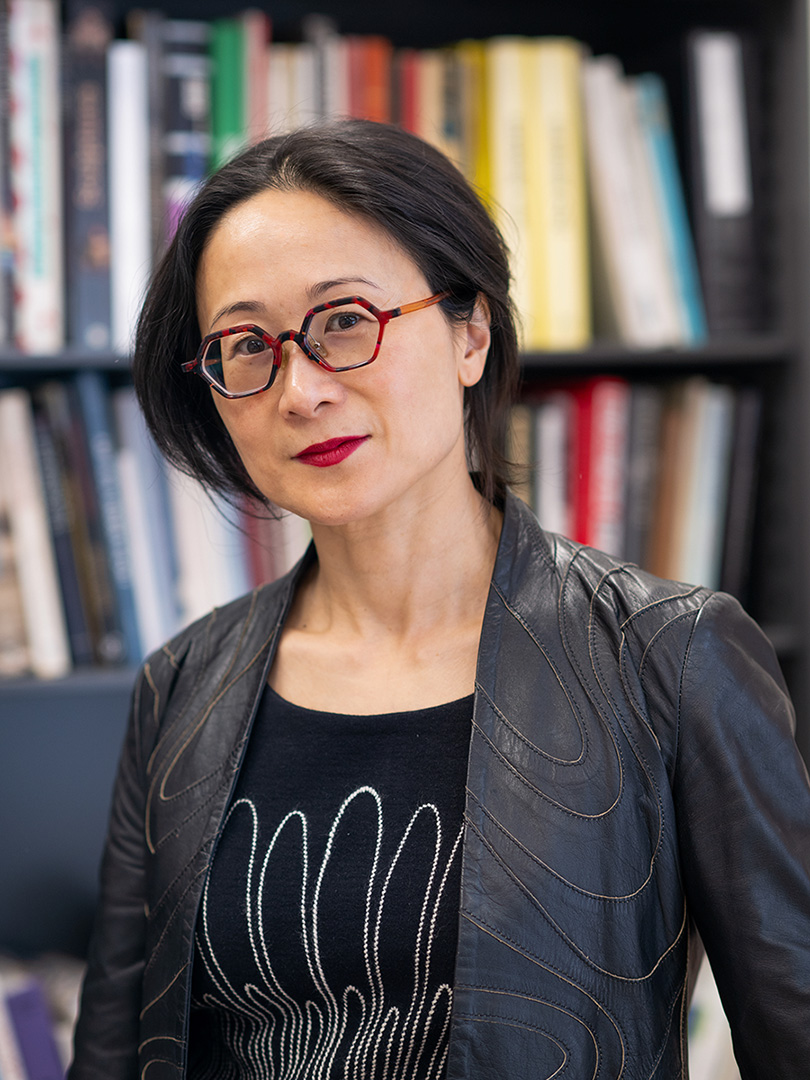
Ming Tiampo is an award-winning scholar and curator of critical global art histories. Professor of Art History at Carleton University and co-director of the Centre for Transnational Cultural Analysis, she advocates for art histories attentive to the circulation of culture, migration, and racial geopolitics of historical representation. Her work develops new methodologies, advances entangled narratives, and platforms marginalized artists. Her current research projects include Mobile Subjects: Contrapuntal Modernisms, which critically examines post-imperial histories of migration within the former French and British Empires, and Intersecting Modernisms, a co-edited sourcebook on global modernisms. Her ongoing curatorial work includes Sovereignties of the Imagination and Spaces of Freedom: Women Remaking the Modern World in collaboration with Wayne Modest at the Wereldmuseum, Amsterdam. She is also engaged in several collaborative public humanities initiatives, including Asia Forum, the Canadian BIPOC Artists Rolodex, and Worlding Public Cultures, for which she serves as co-lead. Tiampo’s previous publications and projects include Thinking Collectives/ Collective Thinking (ici Berlin Press, 2025), Jin-me Yoon (Art Canada Institute, 2023); Gutai: Splendid Playground (Solomon R. Guggenheim Museum, 2013); and Gutai: Decentering Modernism (University of Chicago Press, 2011). She serves on the boards of ici Berlin, the Hyundai Tate Research Centre: Transnational, and the Paul Mellon Centre for Studies in British Art, and on the editorial boards of ArtMargins and Art Journal.
Nav Haq
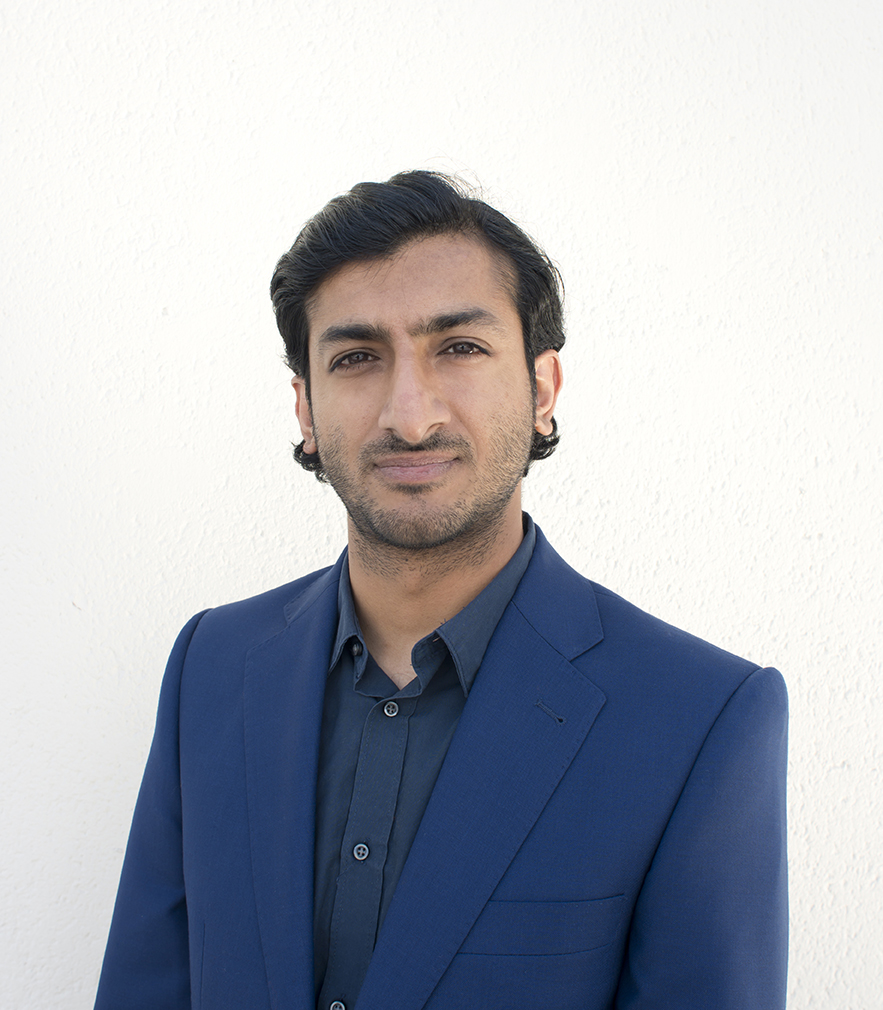
Nav Haq is a curator and writer based in Antwerp. He is presently Associate Director at M HKA – Museum of Contemporary Art Antwerp – where he leads the artistic programme, and is an editor at Afterall Journal. He is curator for the 4th Lahore Biennale. Haq’s practice focuses on questions of coexistence, including forms of progressive internationalism relevant for the 21st century multipolar world, and how to embed this focus within institutional and curatorial reflection. He previously held curatorial positions at Gasworks, London, and Arnolfini, Bristol, and has organised many significant monographic exhibitions with artists including Otobong Nkanga, Shilpa Gupta, Haegue Yang, Hüseyin Bahri Alptekin, Joseph Beuys and Imogen Stidworthy, amongst many others. Haq was curator of the Göteborg International Biennial of Contemporary Art 2017 and Contour Biennial 2007, Mechelen, Belgium, and most recently was part of the curator team for the itinerant Kyiv Biennial 2025 exhibitions at Museum of Modern Art Warsaw and M HKA. At M HKA he also curated the group exhibition Don’t You Know Who I Am? Art After Identity Politics (2014), the interdisciplinary exhibitions Energy Flash – The Rave Movement (2016) and MONOCULTURE – A Recent History (2020), and most recently The Geopolitics of Infrastructure – Contemporary Perspectives (2025). In 2012, he was recipient of the Independent Vision Award for Curatorial Achievement, awarded by Independent Curators International, New York.
Bruce Johnson McLean
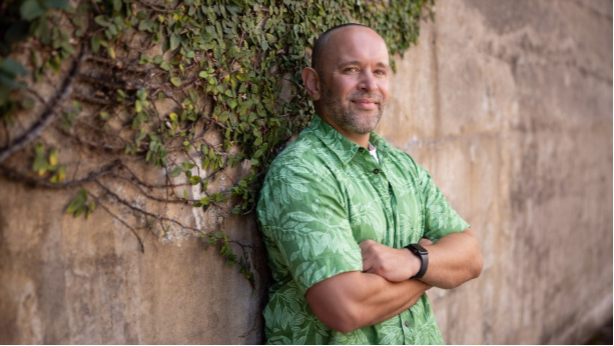
Bruce Johnson McLean is a member of the Wierdi people of Wribpid (Belyando River region in Central Queensland) and is one of Australia’s leading voices on First Nations art and culture. A curator, writer, advisor and consultant with over 25 years’ professional experience in the sector Bruce has been involved in First Nations art his entire life. Most recently Bruce was Assistant Director, First Nations at the National Gallery of Australia, managing First Nations programs and initiatives. For the 16 years prior, Bruce was Curator, Indigenous Australian Art at the Queensland Art Gallery | Gallery of Modern Art.
Bruce has curated many high profile exhibitions and programs, within Australia and internationally, with highlights including co-curating Mavis Ngallametta: Show Me the Way to go Home 2020, Goobalathaldin Dick Roughsey: Stories of this Land 2019, Tony Albert: Visible 2018, Mirdidingkingathi Juwarnda Sally Gabori: Dulka Warngiid Land of All 2016, GOMA Q: Contemporary Queensland Art 2015 and My Country, I Still Call Australia Home: Contemporary Art from Black Australia 2013. He was a part of the curatorial team for Land, Sea and Sky: Contemporary Art of the Torres Strait Islands 2011 and the Asia Pacific Triennial and Contemporary Australia series’. In 2023 Bruce was a curator of the international collaborative exhibition Histórias Indígenas (Indigenous Histories) at MASP, Sao Paulo, Brazil and KODE, Bergen, Norway. He has worked on several major projects including large-scale illumination projects with Vincent Namatjira and the Mulka Project for Canberra’s Enlighten Festival.
Prof. Brett Neilson
Professor Brett Neilson is a researcher whose work bridges political philosophy, critical infrastructure studies, and global political economy. Based at the Institute for Culture and Society, Western Sydney University, his writings explore the spatial, economic, and technological operations of global capitalism. Neilson’s insights into logistics, finance, and extraction have resonated with curators and cultural institutions as much as academic audiences. His writings appear across both scholarly and artworld platforms, including in venues such as e-flux Architecture, Berliner Gazette, Theory, Culture & Society, and South Atlantic Quarterly.
With Sandro Mezzadra, he is author of Border as Method, or, the Multiplication of Labor (Duke 2013), The Politics of Operations (Duke 2019), and The West and the Rest: Capital and Power in a Multipolar World (Verso 2024). With Ned Rossiter, he edits the Low Latencies book series for Open Humanities Press. Neilson is a leading participant in the Transit Asia Research Network, which investigates industry-based geopolitics, supply-chain logistics, and technologies of governance across the Asian region.
Benjamin Work
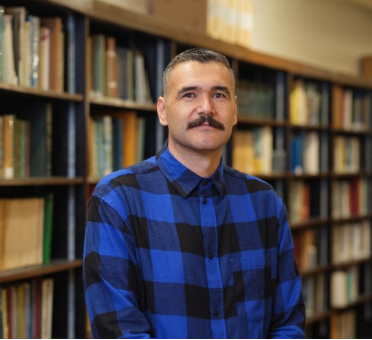
Benjamin Work is an artist based in Tāmaki Makaurau, Aotearoa New Zealand, of Tongan and Orcadian/Shetlander hohoko (lineage), and holds a Master of Fine Arts with honours from the University of Auckland’s Elam School of Fine Arts. His practice integrates contemporary and traditional influences, reflecting the layered nature of cultural identity within the Moana Oceania diaspora. Informed by the transference of oral stories and historical documentation, his work serves as a medium through which past, present, and future connect. Work investigates what he terms tu’u vaha’a – occupying the in-between - a position that guides his exploration of narratives embedded within his maternal lineage and his ongoing engagement around cultural restitution with museum collections.
Reem Fadda
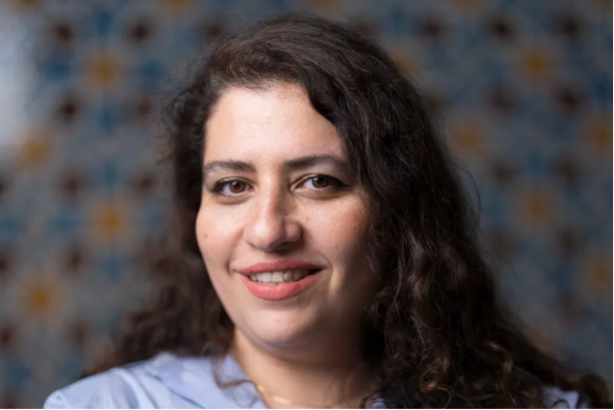
Reem Fadda was born in Kuwait and lives and works in Abu Dhabi, where she is now director of the Cultural Foundation. From 2010–16, Fadda worked at the Guggenheim Museum in New York as associate curator of Middle Eastern art as part of the museum’s Abu Dhabi project. She has curated exhibitions and biennial projects around the world, including the United Arab Emirates pavilion at the Venice Biennale in 2013 and the Saudi pavilion at the Venice Biennale in 2022.
As well as serving as director of the Cultural Foundation, Fadda is also director of culture programming at the Department of Culture and Tourism in Abi Dhabi, overseeing Public Art Abu Dhabi, Culture Summit Abu Dhabi, Abu Dhabi Art and the Music Programme. She curated the first edition of the Public Art Abu Dhabi Biennial, which took place in 2024–25.
Gabriela Golder
Gabriela Golder is an Argentine artist and curator whose practise spans experimental video, audiovisual installation and performance. Her work engages with social, political and cultural issues with a sustained focus on memory—its inscriptions on bodies, its strategies and resonances—and on processes of collective construction, labour, violence and resistance. Working through research-based, collaborative and interdisciplinary methods, Golder engages with historical and contemporary sociopolitical contexts. Her narratives are plural, interwoven and continuously reshaped, forming a rhizomatic memory in motion. Through her work, she seeks to amplify marginalised voices and to create spaces of shared agency with those directly affected. Grounded in a belief in collective action, her practice positions storytelling as an act of resistance, naming as a tactical gesture, speaking as often and as far as the body can carry: to act, to remember and to insist.
Michael Dagostino
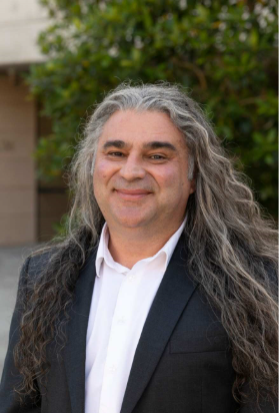
Michael Dagostino is Director of the Chau Chak Wing Museum at the University of Sydney, where he leads a multidisciplinary museum dedicated to education, research, exhibitions and public engagement. He was the founding director of Parramatta Artists Studios, establishing a major platform for emerging artists, before becoming Director of Campbelltown Arts Centre in 2011, where he developed an artist-led program connecting local, national and international practices.
Notable projects as director include With Secrecy and Despatch (2016), co-curated with Tess Allas and David Garneau, which examined the legacy of the Appin Massacre, and Another Day in Paradise (2017), presenting work by Myuran Sukumaran, co-curated by Ben Quilty and Dagostino. He curated Lisa Reihana’s Cinemania and commissioned the Australian First Nations component of In Pursuit of Venus [Infected] for the New Zealand Pavilion at the Venice Biennale.
Dagostino is curator of Australia’s presentation at the 2026 Venice Biennale with Khaled Sabsabi, including conference of one’s self at the Australia Pavilion and khalil in the 61st International Art Exhibition curated by Koyo Kouoh.
He has received many Imagine and ICOM awards for institutional excellence and has served on the boards of Sydney Dance Company, FBi Radio, Artspace and Accessible Arts, alongside advisory roles for the New South Wales Government. He remains committed to advancing museums’ role in fostering access, equity and authorship.
Ryan Inouye
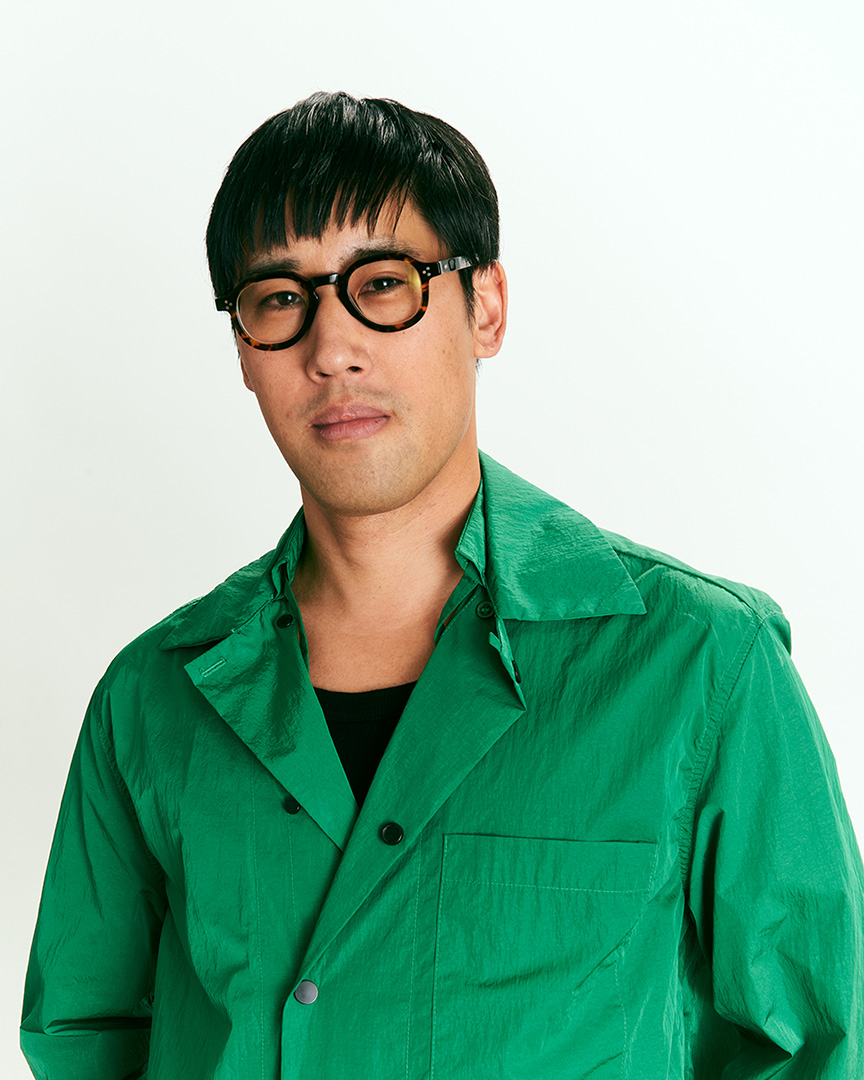
Ryan Inouye is Curator of the 37th Bienal de São Paulo and Curator, International Art and Kathe and Jim Patrinos Co-curator of the 59th Carnegie International and curator of international art at Carnegie Museum of Art, Pittsburgh, a role he was appointed to in 2023 after serving as associate curator of Is it morning for you yet?, the 58th Carnegie International. Prior to his work in Pittsburgh, Inouye served as senior curator at Sharjah Art Foundation in the United Arab Emirates, where he curated solo and group exhibitions and co-organized Active Forms, the 2018 edition of the annual March Meeting, which inspires dialogue around developments in contemporary art and culture. Prior, Inouye held the post of associate curator of Sharjah Biennial 12: The past, the present, the possible (2014–2015), which featured new works, site-specific commissions, and performances, and held curatorial positions at New York’s New Museum, where he stewarded artist residencies, curatorial collaborations, and discursive programming, such as the Museum as Hub initiative and the 2012 New Museum Triennial: The Ungovernables. Previously, he served as curatorial assistant at REDCAT in Los Angeles. Inouye was the recipient of a Foundation for Art Initiatives grant and earned an MRes in Curatorial/Knowledge in the Department of Visual Cultures at Goldsmiths, University of London, and a BA in English literature from the University of California, Los Angeles.
Latoya Aroha Rule
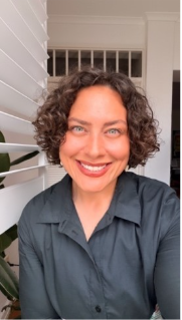
Latoya Aroha Rule descends from Wiradjuri – First Nations & Te Ātiawa/ Māori peoples and is a researcher, writer, and creative practitioner working at the intersection of justice reform, institutional accountability and human rights on Gadigal Nura/ Sydney, Australia. Latoya is a Research Fellow at the UTS Jumbunna Institute for Indigenous Education and Research, and has led state and national reform initiatives addressing deaths in custody, state violence and oversight failures through creative, artistic, sound, protest and academic means.
Helen Grace
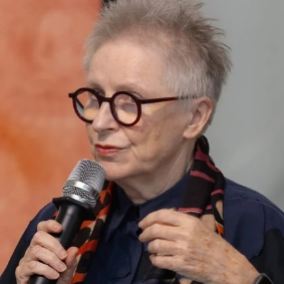
Helen Grace is an award-winning filmmaker, new media producer, artist, writer and teacher, based in Sydney (Wangal Country) and (formerly) Hong Kong. For more than four decades Grace’s documentary photographs have served as a critical archive, capturing the evolution of feminism and queer politics in Australia. Chronicling the social and political context of some of modern Australia’s most impactful protest, or activist movements, Grace’s work is enduringly relevant.
The General Assembly as well as this conference would not be possible without the support and help of our partner organisations.