
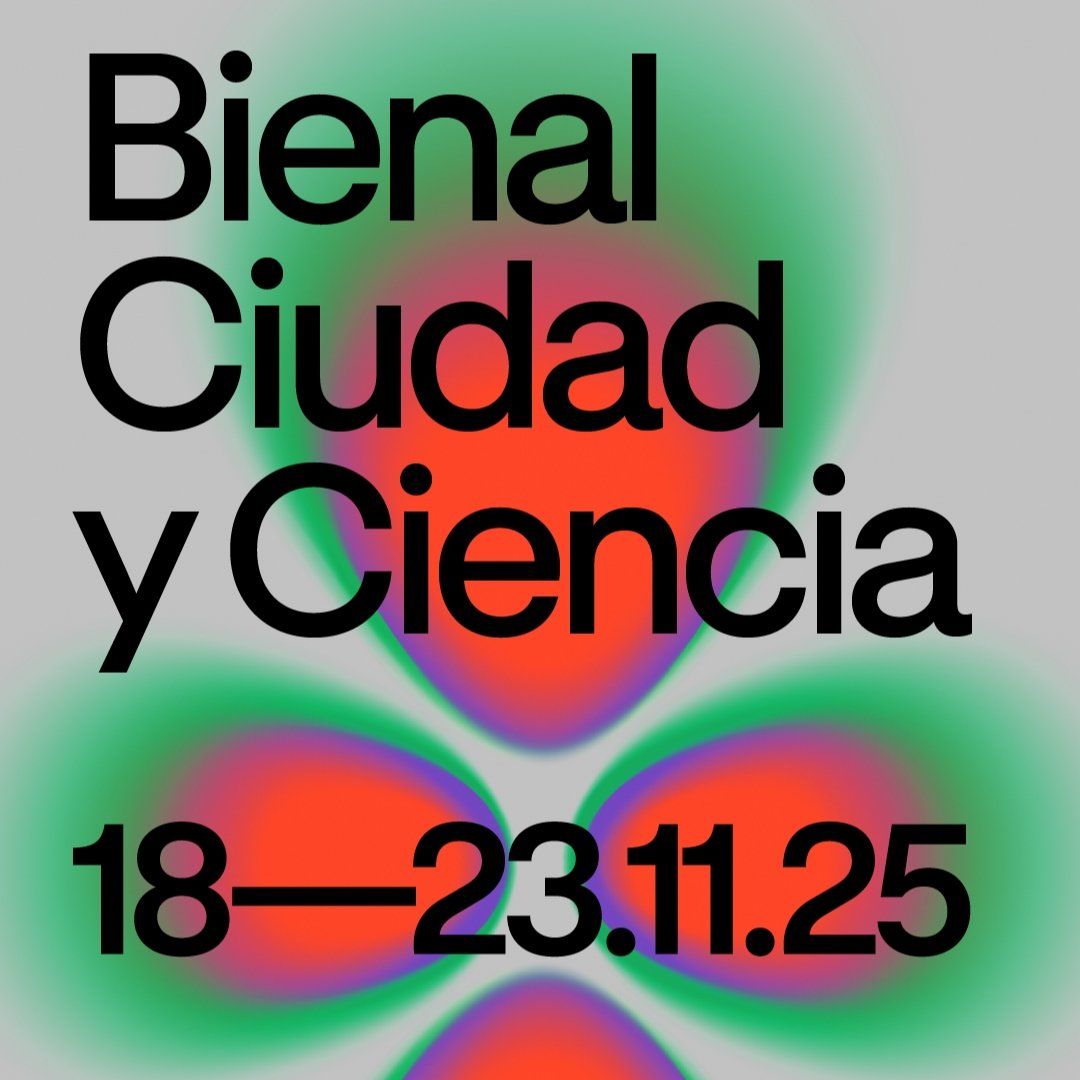
The fourth edition of the City and Science Biennial will offer more than 130 activities focused on the quantum revolution, a field that has profoundly shaped science and technology since the early 20th century. The event will run simultaneously in Barcelona and Madrid from November 18 to 23, and, for the first time, extend to Mexico from November 29 to December 7, during the Guadalajara International Book Fair (FIL), where Barcelona is the guest city of honour.
The Biennial coincides with the celebration of the International Year of Quantum Science and Technology and aims to be a space for understanding the social change that this discipline has brought to our society through numerous technological breakthroughs. These scientific advances also pose new boundaries and challenges for the future. Through talks, lectures, debates, and science outreach activities, the Biennial will explore quantum communication from fields such as philosophy, art, and thought.
Highlights in Barcelona: Nat Award Ceremony and The Night of Science
The Biennial’s main activities will take place in Barcelona’s Ciutat Vella district, centred around El Born – Barcelona History Museum. The official opening on November 18 at the Ciutadella Park Greenhouse will include the Nat Award presentation from the Natural Science Museum to Philip Ball, in recognition of his contribution to science communication.
Among the main activities in Barcelona is a conversation between physicist Ignacio Cirac, a world reference in quantum computing, and writer Sònia Fernández-Vidal, on the current state of quantum technologies. Another key event is the roundtable Geopolitics in the Second Quantum Revolution, bringing together leading research figures to discuss the risks of a new global technological divide and the role of research institutions in this scenario.
The Biennial will once again host one of its most established events, The Night of Science, on Saturday, November 22, featuring scientific monologues by Big Van Ciència, guided tours, and interdisciplinary performances. The film program also returns, exploring the influence of quantum theory on cinematic language through the screening of three films followed by discussions.
In addition, the Biennial’s more playful side will be back, offering quantum chess, board games, and experiments for both students and the general public, aimed at exploring how science and quantum technologies help us understand the world. Other activities will include a live recording of the podcast Marea Nocturna and the performance Quàntica en barra, which combines pole dance and science.
Madrid Program: Einstein’s Avatar and Quantum Dialogues
In Madrid, the opening event on November 18 will feature a conversation between María García Díaz, Carlos Sabín, and a digital avatar of Albert Einstein, created by the Q-Math research group at the Institute of Mathematical Sciences and the Carlos III University.
Other highlights include the talk What’s the Optics of Quantum? with Marta Peirano and Ignacio Cirac, and Quantum Loops between Madrid and Barcelona, a dialogue between Carlo Rovelli and Blanca Pujals. Madrid will also host an Open Forum on Quantum Physics organized by redACTS.
Extension to Mexico: FIL Ciència
Taking advantage of Barcelona’s status as Guest City of Honor at the Guadalajara International Book Fair (FIL), the Biennial will extend to Mexico with FIL Ciència, a space designed to bring science closer to everyone and to inspire young people toward scientific careers. The program will feature prominent voices from the scientific community sharing reflections on major contemporary challenges.
The FIL Guadalajara is one of the most significant cultural gatherings in the Spanish-speaking world and a global reference. Alongside the scientific program, Barcelona will present a broad range of cultural activities showcasing the city’s potential across various fields.
+Biennal: A Broader Network of Science and Culture
Complementing the main Biennial program, +Biennal brings together a wide variety of activities organized by municipal venues, cultural centers, universities, and other institutions, all sharing the goal of bringing science closer to citizens. Running parallel to the Biennial, these initiatives expand and enrich the main program, strengthening the dialogue between science, culture, and society.